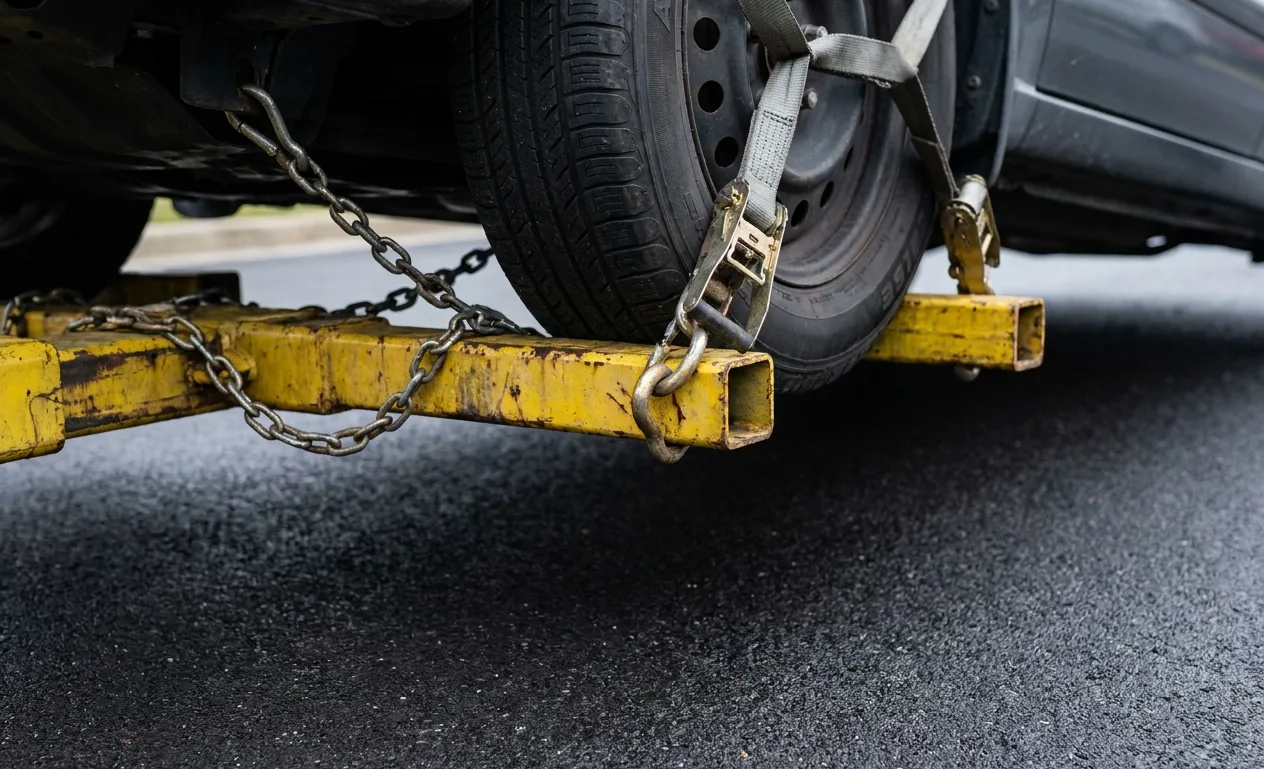
Importance Of Choosing Efficient Towing Methods
Efficient towing methods protect vehicle integrity. Using improper techniques, such as incorrect hitching or overloading, can result in structural damage to vehicles, including bent frames, suspension issues, or transmission wear.
Efficient methods enhance safety. Options like flatbed towing or wheel-lift towing reduce risks to other road users by ensuring vehicles are securely immobilized during transit. Traditional techniques without proper equipment increase the likelihood of accidents, especially during abrupt stops or turns.
Time-saving is a key benefit. Modern methods, supported by advancements such as hydraulic systems or automated winches, speed up the towing process. By minimizing delays, these technologies help streamline both private and commercial towing tasks. It’s the same equipment-first approach Towing Kalamazoo brings to every call.
Cost efficiency is improved with proper methods. Preventing vehicle damage reduces repair expenses, while faster towing reduces labor costs. For instance, towing heavy trucks using suitable equipment avoids potential penalties for road violations due to unsafe practices.
Environmental impact is minimized. Efficient towing techniques contribute to fuel economy, as smoother transportation reduces fuel consumption, benefitting both operators and the environment. Conventional methods with inefficient tooling often lead to higher emissions.
Choosing the right towing method provides a balance of safety, cost-efficiency, and environmental care, ensuring a seamless process regardless of vehicle type or condition.
Key Factors To Consider Before Towing
Understanding essential factors ensures safety and efficiency during any towing process. Proper evaluation of these aspects minimizes risks and optimizes outcomes.
Vehicle Type And Weight Distribution
Identifying the vehicle type is fundamental for selecting the right towing method. Heavier vehicles, like trucks and SUVs, often require flatbed towing for stability and safety, while lighter vehicles, such as sedans, may be towed using tow dollies or traditional tow bars.
Checking weight distribution involves ensuring the towed vehicle’s weight aligns with the towing vehicle’s capacity. For example, a towing vehicle rated for 5,000 lbs handles only loads within that limit, preventing strain on the engine, brakes, and suspension.
Road Conditions And Distance
Evaluating the road conditions helps adapt towing methods to avoid potential hazards. Wet or icy roads demand specialized equipment like tire chains for secure traction. Off-road routes may require reinforced tow straps or recovery winches designed for uneven terrain.
Determining the distance indicates fuel usage, timing, and additional equipment needs. Short-distance towing often involves simpler setups like rope or chain towing, whereas long-distance towing benefits from flatbed trailers or closed transport to reduce wear and tear.
Most Efficient Methods For Towing Vehicles
Efficient towing methods minimize risks, save time, and protect vehicles. By using the right equipment and techniques, we achieve safer, more reliable results.
Flatbed Towing
Flatbed towing offers maximum stability by securing the entire vehicle onto a flat platform. This method eliminates tire wear and protects suspension systems, crucial for long-distance or high-value vehicle transport. Hydraulic systems simplify loading, reducing labor and ensuring efficiency. It’s best for all-wheel-drive vehicles or those with significant mechanical damage.
Tow Dolly Method
The tow dolly method lifts only the vehicle’s front wheels while the rear wheels remain in contact with the road. This technique suits front-wheel-drive vehicles with minimal weight on the drive wheels. Compact and cost-effective, it’s ideal for short distances or scenarios where flatbed towing isn’t practical. Proper attachment of restraints prevents wear and enhances control.
Four-Wheel Down Towing
Four-wheel down towing, or dinghy towing, keeps all wheels on the road without added equipment. Common for SUVs or small vehicles designed for this method, it integrates tow bars connected to a towing hitch. Manufacturers recommend it specifically for models engineered with neutral gear settings in the drivetrain. It’s efficient for frequent travelers and reduces set-up time.
Advantages And Disadvantages Of Each Towing Method
Choosing the right towing method depends on multiple factors, including convenience, cost, vehicle safety, and damage prevention. Each method has distinct pros and cons based on specific needs and conditions.
Convenience And Cost Effectiveness
Flatbed towing provides maximum convenience for long-distance transport and high-value vehicles. Loading and unloading are simplified with hydraulic systems, reducing labor time. However, its equipment cost and operational expenses are higher compared to other methods.
Tow dollies offer a cost-effective solution for front-wheel-drive vehicles. Their compact size allows easy storage and transport, but they lack the versatility to tow heavier vehicles or handle long distances efficiently.
Dinghy towing minimizes setup time, ideal for frequent travelers and RV users towing SUVs or compact cars. While fuel costs remain lower due to reduced towing weight, compatibility is a major limitation because not all vehicles are designed for this method.
Vehicle Safety And Damage Potential
Flatbed towing ensures maximum safety by keeping the towed vehicle’s wheels off the road. This eliminates risks of tire and suspension wear, making it the safest option for valuable or damaged vehicles.
Tow dollies keep the rear wheels of front-wheel-drive cars off the ground, limiting wear to specific components. Incorrect attachment or use on incompatible vehicles, however, raises the risk of drivetrain or axle damage.
Dinghy towing leaves all four wheels on the road, avoiding additional strain on specific parts. However, continued exposure to road surfaces increases the likelihood of wear and tear unless the vehicle is designed for such towing.
Tips For Safe And Effective Vehicle Towing
Inspect Towing Equipment Before Use
Ensure towing equipment, such as tow hitches, chains, and cables, is in good condition to avoid failures during transport. Check for cracks, frays, or rust on components, as even minor damage can compromise safety.
Confirm Vehicle Weight Compatibility
Match the towing vehicle’s capacity with the towed vehicle’s weight to prevent undue strain on the towing system. Verify the Gross Vehicle Weight Rating (GVWR) and ensure it does not exceed the tow vehicle’s limit.
Secure Proper Attachment
Use appropriate towing connectors, like safety chains or straps, to create a strong and reliable link. Cross the chains beneath the hitch to act as a catch in case of disconnection.
Balance Weight Distribution
Distribute the load evenly to avoid swaying or instability while towing. For trailers, place heavier items over the axle and secure the cargo to prevent shifting.
Perform Pre-Tow Safety Checks
Test all lights, including brake, signal, and hazard indicators, to ensure they’re operational. Check tire pressure and wheel alignment to prevent mechanical issues or accidents on the road.
Adjust Driving Behavior
Drive slower and increase the stopping distance when towing a vehicle. Avoid sharp turns or sudden braking to reduce strain on both the towing and towed vehicles.
Monitor Road and Weather Conditions
Plan the route and check for conditions like icy roads, heavy traffic, or steep inclines. Use specialized equipment like tire chains if weather conditions are adverse.
Use Proper Towing Techniques
Choose techniques suitable for the vehicle type and towing distance. For example, use flatbed towing for long hauls or tow dollies for smaller, front-wheel-drive cars.
Observe Legal Requirements
Ensure compliance with local towing regulations, including weight limits, trailer lights, and brake requirements. Ignoring rules can lead to fines or impoundment.
Have Emergency Tools Ready
Carry tools like tire inflators, jumper cables, and wrenches to handle unexpected issues. A spare tire for the trailer or towed vehicle is also essential.
Wrapping It All Up
Towing vehicles efficiently requires careful planning, the right equipment, and a solid understanding of the methods available. By prioritizing safety, vehicle protection, and environmental responsibility, we can ensure a smoother towing experience. Whether it’s flatbed towing for maximum stability or tow dollies for cost-effective solutions, choosing the right approach makes all the difference. Let’s stay informed, prepared, and mindful of best practices to handle any towing situation with confidence.
Stuck in or around Kalamazoo right now? We answer 24/7.
Call (269) 218-8728