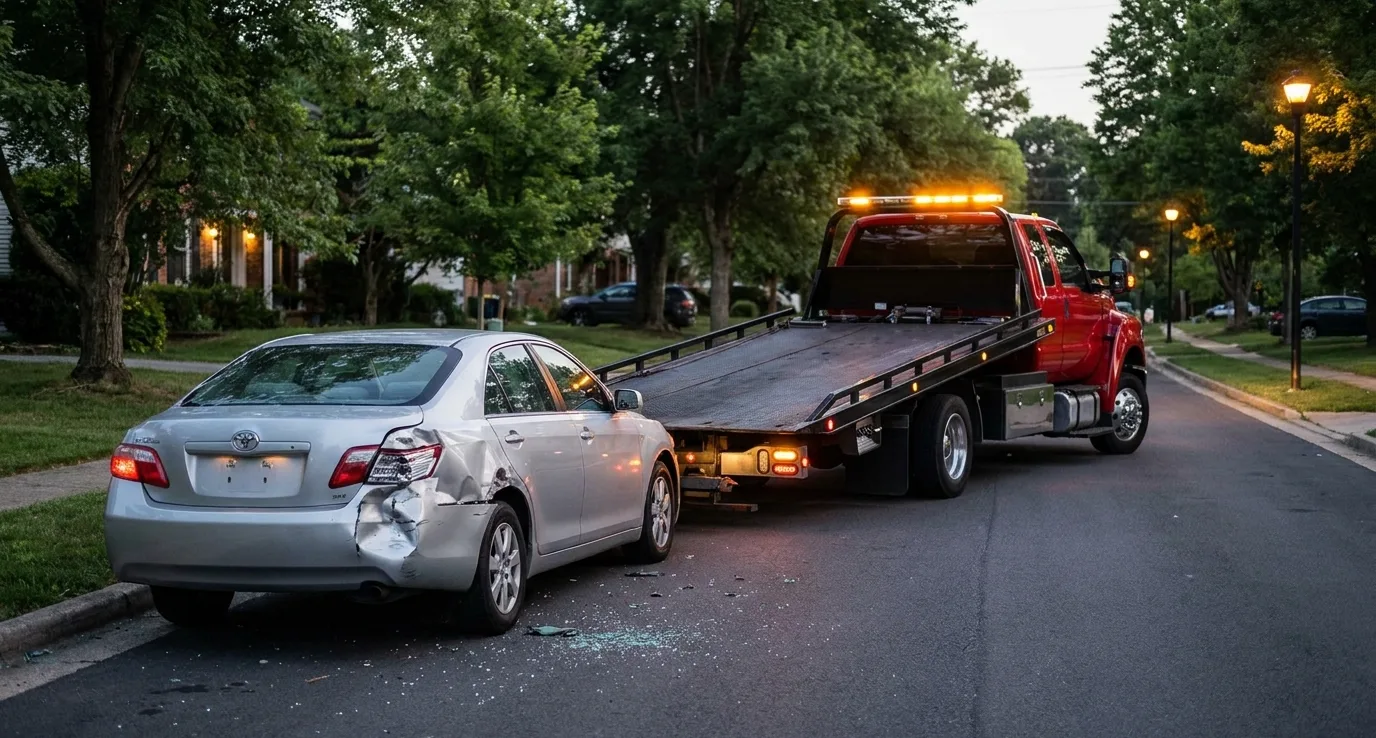
Understanding Towing Truck Services
Efficient towing services play a vital role after a hit-and-run incident. Quick action ensures safety, prevents further damage, and helps document essential evidence for any legal or insurance claims.
Importance Of Immediate Towing After A Hit And Run
Prompt towing minimizes additional risks. Leaving a damaged vehicle on the road can lead to further accidents or impede traffic. Immediate towing also preserves the vehicle’s condition, crucial for documenting damage accurately. For instance, insurance companies usually assess damage to validate claims, making it essential to avoid unnecessary delays. That’s why Towing Kalamazoo treats hit-and-run calls as urgent.
Types Of Towing Services Available
Towing services offer multiple options based on vehicle condition and location.
- Flatbed Towing: Ideal for severely damaged vehicles, as the entire car is lifted onto a flat platform, reducing further wear.
- Wheel-Lift Towing: Economical choice for minor damage, where only the front or rear wheels are lifted off the ground.
- Heavy-Duty Towing: Suitable for larger vehicles like trucks or buses, requiring specialized equipment for safe removal.
Choosing the right service ensures efficient transportation and prevents complications during repair or claim processes. Always confirm the towing company can accommodate your vehicle type.
Steps To Take After A Hit And Run
Handling a hit-and-run incident requires prompt and strategic actions to ensure safety, document evidence, and secure proper assistance. Following these steps helps protect our rights and streamlines the resolution process.
Ensuring Safety And Assessing Damage
Our priority is to ensure everyone’s safety and assess the immediate situation. Move the vehicle to a safe location if possible, avoiding traffic lanes. Check for injuries and call emergency services if anyone needs medical attention. Examine the vehicle for visible damage, taking note of broken parts, scratches, or significant structural harm. Documenting damage with photos is essential for later evidence.
Contacting Authorities And Insurance Provider
Report the incident to law enforcement to create an official record. Provide details such as the time, location, and any identifying features of the other vehicle involved. Once the police report is filed, contact the insurance provider promptly. Share the report and photos of the damage to initiate the claims process. Clearly describe the circumstances to ensure accurate claim documentation.
Arranging For A Towing Truck
Select a towing service based on the vehicle’s condition. For severe damage, opt for flatbed towing, which prevents further harm during the transport. Wheel-lift towing suits cars with minor damage, while heavy-duty towing is ideal for trucks or larger vehicles. Share your location and vehicle details with the towing provider to expedite the process and reduce delays. Save the towing receipt for insurance reimbursement.
Choosing The Right Towing Truck Service
Selecting the right towing service can prevent further complications after a hit-and-run. Specific factors help ensure safety, efficiency, and proper care for your vehicle.
Key Factors To Consider
Assessing experience and reputation simplifies the decision. Established towing services with positive reviews are more reliable. For example, a service specializing in accidents ensures expertise in handling damaged vehicles.
Checking availability and response time reduces delays. Towing services offering 24/7 availability ensure prompt assistance, especially in emergencies. Faster response is critical after a hit-and-run to avoid additional risks.
Evaluating their equipment ensures compatibility with your vehicle’s condition. Services with flatbeds, wheel-lift towing, and heavy-duty towing capabilities cater to various damage levels and vehicle types.
Verifying licensing and insurance provides peace of mind. Licensed companies ensure compliance with regulations, while their insurance covers potential liabilities during the towing process.
Benefits Of Professional Towing Assistance
Minimized damage is a key advantage. Professionals use appropriate towing methods based on vehicle condition, preserving the car for inspections or repairs.
Enhanced safety comes with expertise. Trained operators secure the vehicle properly, reducing hazards during transport and ensuring safety for others on the road.
Improved insurance claims processing becomes easier with professional services. Official receipts and documentation they provide are often required by insurers for claim approvals.
Emergency support ensures timely help. Professional towing services often include roadside assistance, preventing stranded situations and offering immediate solutions to challenges.
Common Challenges With Towing After An Incident
Towing trucks can present unique challenges after a hit-and-run. Being aware of potential issues helps us act quickly and make informed decisions during this critical time.
Hidden Costs And Delays
Unexpected expenses often arise due to hidden fees in towing services. These might include storage charges, mileage overages, or after-hours surcharges. Without clarifying costs upfront, we risk paying more than expected.
Delays frequently occur when towing companies are overbooked or lack the equipment to handle our vehicle’s condition. Such delays can lead to added storage fees and complicate insurance claims. To avoid this, we confirm response times and vehicle compatibility before finalizing a service.
Tips To Avoid Scams
Scams targeting vulnerable individuals are common after incidents. Predatory towing services may pressure us into consent, inflate fees, or hold vehicles until inflated payments are made.
To protect ourselves, we check for proper licensing and verify the company through reviews or references. Official partnerships with law enforcement or insurance providers often signal reputable services. Documenting all transactions ensures transparency and helps resolve disputes.
Legal And Insurance Considerations
Understanding the legal and insurance aspects of a hit-and-run ensures smoother towing processes and protects financial interests. Proper documentation and knowledge of insurance coverage are essential in these situations.
How Insurance Coverage Handles Towing Costs
Insurance policies often include coverage for towing services under collision or comprehensive plans. This depends on the specific terms of the policy. Contacting the insurance provider immediately helps confirm coverage and identify approved towing companies to avoid out-of-pocket expenses. If uninsured motorist property damage coverage is included, it may also cover towing after a hit-and-run.
It’s critical to keep receipts from the towing service. Insurers typically require these documents for reimbursement, especially if a non-approved towing service is used due to urgency or availability constraints. Without proof of payment, claims may be denied.
Documenting The Incident For Claims
Accurate documentation simplifies insurance claims and ensures legal obligations are met. Start with photographs of the vehicle, the accident scene, and any visible damage. Include close-up and wide-angle shots to capture the full extent of the impact. Ensure that date and time stamps are enabled on devices.
Obtain a copy of the law enforcement report, as insurers often need this to process hit-and-run claims. This official documentation provides critical information, such as incident details and any initial assessments by officers. Record the towing company’s information, including the driver’s name and contact details, the service receipt, and the tow truck’s license number. Multiple points of documented evidence strengthen claim validity and reduce processing delays.
Synopsis
Handling a hit-and-run can be overwhelming, but having a clear plan helps us navigate the situation more effectively. Choosing the right towing service and staying informed about legal and insurance requirements ensures we’re better prepared to protect our rights and minimize stress.
By focusing on safety, proper documentation, and working with reliable professionals, we can streamline the process and avoid unnecessary complications. Taking these steps not only safeguards our vehicle but also strengthens our position when dealing with insurance claims.
Preparedness is key to turning a challenging experience into a manageable one.
Stuck in or around Kalamazoo right now? We answer 24/7.
Call (269) 218-8728